Fake App and Listing Removal Service | AiplexORM

Table of Contents
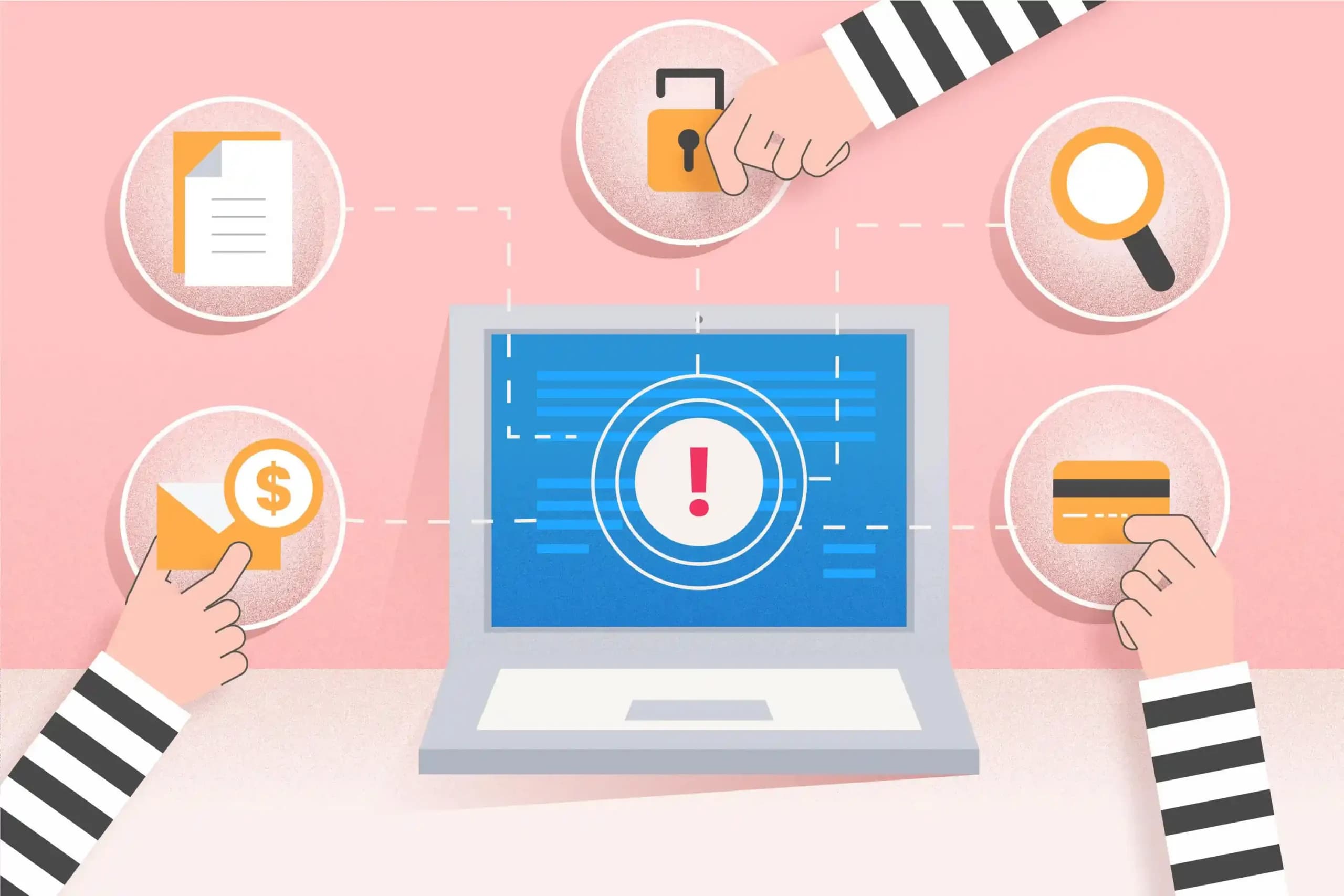
A fake app and listing removal service detects and takes down counterfeit mobile apps, fraudulent business listings, and impersonating profiles that misuse your brand name. It works by filing verified takedown requests with app stores, search engines, and directories, restoring customer trust and shutting down scams that trade on your reputation.
What Is a Fake App and Listing Removal Service?
A fake app and listing removal service is a dedicated brand protection solution that finds and eliminates unauthorized digital assets pretending to be your business. These assets include cloned mobile apps on Google Play or unofficial stores, fake Google Business Profiles, duplicate directory entries, and spoofed social accounts that borrow your identity to deceive customers.
The service pairs continuous monitoring with takedown expertise. Rather than chasing scattered fraud across the web yourself, a specialist team sweeps app marketplaces, search results, and listing platforms, then removes anything infringing your trademark or impersonating your brand.
What makes this valuable is unified coverage. Fraud seldom stays contained to one channel. A scammer who clones your app today may launch a fake listing tomorrow using the same stolen logo and description. A service that handles only one threat leaves the other exposed, so detection and enforcement belong together under one process.
At AiplexORM, we treat fake app removal and fake listing removal as two sides of the same threat. Both drain trust, both misuse identical brand assets, and both demand fast, evidence backed action before the harm multiplies.
Why Fake Apps and Listings Damage Your Brand
Fake apps and listings do far more than irritate customers. They divert revenue, steal sensitive data, and erode the reputation you spent years earning.
When someone downloads a counterfeit version of your app, they often surrender login credentials, payment details, or personal data to criminals. Unfairly, the blame attaches to your brand. In practice, we have watched businesses lose hundreds of installs to a single convincing clone before anyone realized it existed. By the time a complaint about an unauthorized charge lands, the damage is already spreading through reviews and conversations.
Fake listings cause a different but equally serious injury. A fraudulent listing with a wrong phone number or address can send walk in customers to a competitor or a scam. Search engines may then display conflicting details, weakening your local ranking and confusing buyers about which entry is genuine.
There is also a quiet financial drain most owners overlook. Every fake asset competes with your real one for clicks, calls, and installs. Even after a fraud is removed, the traffic it captured while active is lost, and a share of those customers never come back.
The deepest wound is trust. Once a customer is scammed by something wearing your name, earning them back is far harder than the first sale ever was. Brand impersonation protection matters because prevention always costs less than recovery, in both money and goodwill.
How Does Fake App and Listing Removal Work?
Removing fake apps and business listings online follows a deliberate sequence. Each stage builds the evidence needed to force a quick takedown, and skipping steps usually means slower approvals or flat rejection.
Detection comes first. Monitoring systems and manual investigation scan app stores, search engines, and directories for anything using your brand name, logo, or assets without permission. Strong detection casts a wide net, catching misspellings and lookalike variations that scammers use to dodge filters.
Verification follows. Every suspected fake is compared against your legitimate properties to confirm it is truly infringing and not a partner, reseller, or authorized page. This prevents wasted reports against your own regional entries or licensed distributors.
Documentation comes next. The team assembles screenshots, URLs, trademark records, and ownership proof to build a complaint platforms cannot easily dismiss. The strength of this file often decides whether a takedown resolves in days or drags on for weeks.
Then the request is filed with the right platform, whether Google, Apple, a third party store, or a directory. Each platform has its own rules and thresholds, so a submission formatted for that specific process moves faster than a generic one.
Monitoring never stops. Fraudsters routinely relaunch under altered names, so continued surveillance catches repeat offenders early. In our experience, close to one in three removed fakes attempts a comeback within weeks, which is why single cleanups rarely hold and ongoing protection delivers better value.
What Types of Fakes Can Be Removed?
A capable brand protection service addresses many fraud types, not just one. The most frequent targets are counterfeit mobile apps on official and unofficial stores, where scammers copy your interface to harvest data or push malware. These clones often mirror your icon and screenshots so precisely that even attentive users are fooled.
Fake business listings are just as common. They surface on map services, review sites, and local directories, usually with hijacked contact details built to intercept your customers. Some fraudsters also post fake reviews on these entries, dragging down the reputation of a business that never created them.
Impersonating social media profiles present another ongoing danger. Scammers open accounts using your name and branding to run bogus promotions, phishing schemes, or fake support that tricks followers into handing over money or information.
Spoofed websites carrying your branding, fraudulent marketplace seller accounts, and cloned login pages also fall within scope. The common thread is misuse of your identity, and brand impersonation protection covers each of these vectors through one coordinated effort instead of treating them as isolated issues.
Best Way to Choose a Fake App and Listing Removal Service
The best way to safeguard your brand is choosing a partner that delivers both detection and enforcement together. Many tools only alert you to threats and then leave the difficult removal work in your hands, so you still spend hours inside platform complaint systems with no guaranteed outcome.
Seek a service with proven takedown success and direct relationships with major platforms, since those relationships accelerate approvals. Ask how they confirm ownership, how quickly they submit requests, and whether monitoring is continuous or occasional. A provider scanning only monthly leaves wide gaps for fraud to operate unseen.
Speed carries real weight. A fake app collecting installs for two extra weeks inflicts lasting harm. We found that brands with always on monitoring neutralize threats in a fraction of the time compared to those depending on customer complaints, and earlier detection reliably shrinks the total damage each fake creates.
Coverage breadth is another deciding factor. Confirm the service watches every place your brand can appear, including third party app stores and regional directories that are easy to miss yet heavily exploited by scammers targeting specific markets.
Transparency is the final measure. A dependable provider shows you what was found, what was removed, and what remains in progress, rather than burying the work in vague summaries. Clear reporting also reveals where your brand is most exposed, guiding smarter protection decisions.
How AiplexORM Protects Your Brand
Brand protection through fake app and listing removal works best when detection, enforcement, and monitoring run as one system. At AiplexORM, our team manages the entire lifecycle so your staff stays focused on the business instead of policing the internet.
We scan continuously, verify carefully, and file takedowns backed by solid evidence. Because we work regularly with app stores and listing platforms, our requests carry the documentation and credibility that speed resolution. That familiarity with each platform’s process removes much of the friction that slows self filed complaints.
We also shape protection around your specific risk profile. A fintech app faces different threats than a local retail chain, so the monitoring scope, priority platforms, and response urgency are tuned to where your brand is genuinely vulnerable.
Equally important, we stay alert after removal. Repeat offenders and copycats are treated as a continuing risk, not a closed case, so your brand remains protected long after the first cleanup. This persistence turns a single win into lasting security, stopping impersonators from quietly rebuilding while your attention is elsewhere.
Frequently Asked Questions
What is a fake app and listing removal service?
It is a brand protection service that finds and removes counterfeit apps, fraudulent business listings, and impersonating profiles misusing your brand. The service files verified takedown requests with app stores, search engines, and directories, protecting your customers and reputation from scams tied to your name.
How long does fake app removal take?
Timelines depend on the platform and evidence quality. With strong documentation and established platform relationships, many takedowns resolve within days rather than weeks. Complex cases involving unofficial app stores or repeat offenders can take longer, which is why continuous monitoring supports faster removals over time.
Can I remove a fake listing myself?
You can report fakes directly to platforms, but self reporting often meets slow reviews and rejections without proper evidence. A dedicated service builds trademark backed complaints and works with platform contacts, achieving higher success rates and faster removals than most individual reports manage alone.
Why do fake apps keep coming back?
Fraudsters relaunch under altered names or on different platforms because cloning is cheap and profitable. That is why one time removal rarely holds. Continuous monitoring catches these comebacks early, before a copycat rebuilds an audience or resumes stealing customer data under your brand name.
Does removing fakes improve my brand reputation?
Yes. Removing counterfeit apps and fraudulent listings stops customers from being scammed under your name, which directly protects trust. It also cleans up search results and app store listings, so genuine customers consistently find your real, authorized properties instead of confusing fakes.
How much does fake app and listing removal cost?
Costs depend on threat volume, the platforms involved, and whether you need a one time cleanup or continuous protection. Most brands find ongoing monitoring more cost effective than repeated emergency removals, since prevention avoids the larger losses caused by data theft and reputational damage.
Conclusion
A fake app and listing removal service is no longer optional for any brand operating online. Counterfeit apps and fraudulent listings drain revenue, expose customers to scams, and quietly weaken the trust that defines your reputation. By combining continuous detection, evidence backed takedowns, and ongoing monitoring, brand protection through fake app and listing removal keeps impersonators from profiting off your name. Partnering with a specialist like AiplexORM ensures threats are found early, removed quickly, and stay removed for good.
Share this Article


OUR RECENT POSTS

Telegram & WhatsApp Stock Market Scams: How Brokers Can Protect Investors
A WhatsApp and Telegram stock market scam almost always follows the same arc. A free group offers “VIP” stock tips and shows fake profits to build trust. It then moves the victim to a fake trading app or a personal payment account, and it ends with a withdrawal that never arrives. Investors protect themselves by
AI Admin
|17/10/2026
|1 min read

How to Check If Your Stock Broker Is SEBI Registered
To check SEBI registered broker status, search the firm’s legal name or registration number in the registered intermediaries list on sebi.gov.in. Then confirm that it is an active member on the NSE or BSE broker lookup. Both checks are free and take about five minutes. Before you send any money, also confirm the broker’s bank
AI Admin
|16/10/2026
|1 min read

Whistleblower Policy for Stock Brokers: A SEBI Compliance Guide
A confidential tip from an employee is often the earliest, and cheapest, warning a broking firm ever receives that something is going wrong. A misused client account, an unauthorised trade, a quiet governance gap rarely announce themselves in a monthly report. They surface only when someone on the inside feels safe enough to speak up.
AI Admin
|10/10/2026
|1 min read
How SEBI’s New Fraud Detection Mandate Changes Broker Compliance
Somewhere between January and April 2026, a requirement that had been rolling out in stages since mid-2024 quietly crossed its finish line. The smallest stock brokers in India — firms with up to 2,000 active client codes became legally bound on 1 April 2026 to run a working fraud-detection system of their own. What began
AI Admin
|17/09/2026
|1 min read

SEBI Stock Brokers Regulations 2026 Explained
For more than thirty years, the way stock brokers were registered, governed, and held accountable in India rested on a single rulebook drafted in a very different market. That era has now ended. On 7 January 2026, the Securities and Exchange Board of India notified a completely new framework, and if you run, work at,
AI Admin
|10/09/2026
|1 min read


GET STARTED TODAY...
Speak to a strategist today and see why brands rate AiPlex among the best online reputation management company options for India and global markets.
GET STARTED TODAY...
Speak to a strategist today and see why brands rate AiPlex among the best online reputation management company options for India and global markets.
TOP FAQs
Reputation is one of the most valuable intangible assets for any organization. ORM services provide continuous monitoring, content creation, and review engagement to maintain a credible public image. By strategically highlighting achievements and addressing concerns, ORM builds customer trust and loyalty. Over time, this drives higher conversions, strengthens brand positioning, and creates resilience during crises. Moreover, companies with strong reputations attract better employees, investors, and partners. Effective ORM ensures sustainable visibility, keeps businesses competitive, and empowers decision-makers with insights into how their brand is perceived in the digital landscape.
Businesses often face challenges such as fake reviews, negative media coverage, impersonation attacks, or competitor-driven defamation campaigns. ORM services provide solutions by removing harmful content legally, responding professionally to criticism, and ensuring positive stories rank higher on Google and other platforms. They help regulate inconsistent branding across social channels, address misinformation, and repair reputational harm caused by crises. Whether it’s reducing the impact of defamatory blogs or highlighting strong testimonials, ORM services create a healthier online narrative. This translates into improved customer trust, better recruitment prospects, and stronger overall brand perception.
ORM services are essential for businesses, brands, and individuals alike. Companies depend on customer reviews, social proof, and digital visibility to drive success. A single negative article or viral complaint can damage sales and client trust. Startups, celebrities, entrepreneurs, and executives also rely on ORM to maintain credibility and attractiveness to investors or partners. Industries like hospitality, healthcare, finance, and e-commerce are particularly sensitive. Professionals and businesses with high competition or public visibility benefit greatly from ORM services, ensuring their first impression online remains positive and free from misleading or outdated content.
ORM services involve a mix of monitoring, analysis, and action. The process begins with tracking brand mentions, reviews, and search engine results. Once risks or negative items are identified, strategies such as pushing positive content, publishing official press releases, launching review management campaigns, and using SEO techniques are applied. ORM professionals also address false claims with legitimate takedown requests. Over time, the negative impact of unwanted content decreases as positive narratives take priority in search and social visibility. This integrated approach helps businesses showcase strengths while building trust with their target audience.
Online Reputation Management (ORM) services help individuals and businesses control how they appear online. Search engines and social media shape public perception, and negative content can damage trust and credibility. ORM services work proactively to promote positive information while suppressing harmful content such as false reviews, defamatory articles, or misleading news. In a world where customers, employers, and partners conduct online research before making decisions, maintaining a good reputation is vital. ORM ensures your brand image is aligned with your goals, protecting you from misinformation, unfair competition, and reputation crises that can harm long-term growth.
Implementing a strong brand protection plan starts with registering and securing intellectual property rights such as trademarks and copyrights. Businesses should monitor both online and offline channels for potential misuse of their brand identity. Investing in AI-driven monitoring tools, enforcing takedowns, and collaborating with online marketplaces are critical steps. Educating customers on identifying authentic products also adds an extra layer of defense. For maximum impact, companies should partner with specialized brand protection agencies like AiPlex ORM, which combine technology, legal expertise, and proactive enforcement to create a holistic protection strategy. This ensures sustained growth and trust.
Legal enforcement is a cornerstone of effective brand protection. While technology helps identify threats, enforcing intellectual property rights requires legal action. This may involve sending cease-and-desist notices, filing lawsuits, or collaborating with government authorities to crack down on counterfeiters. Trademarks, patents, and copyrights provide businesses with legal grounds to protect their assets. However, legal action alone is not enough—it must be supported by continuous monitoring and proactive risk detection. A comprehensive brand protection strategy blends both legal enforcement and preventive measures to ensure that companies remain resilient against infringement while maintaining their market reputation.
Modern brand protection relies heavily on advanced technology. AI-powered monitoring tools scan digital platforms, marketplaces, and social media for counterfeit products or unauthorized brand use. Machine learning algorithms detect fraudulent listings, while automated takedown systems help remove infringing content quickly. Blockchain is also emerging as a tool to authenticate product supply chains, ensuring transparency and reducing counterfeiting risks. By leveraging technology, businesses can implement scalable and efficient brand protection strategies. This allows companies to act in real-time, safeguard their reputation, and reinforce customer trust in an era where online visibility and credibility are crucial.
Digital platforms have amplified brand exposure but also increased risks. Counterfeit product listings on e-commerce sites, phishing websites imitating brands, and social media impersonations are among the top threats. Additionally, misuse of trademarks, domain squatting, and pirated content distribution cause significant damage. These practices confuse customers, divert sales, and weaken brand authority. Companies that do not prioritize brand protection often face long-term reputation risks and financial loss. By identifying these threats early through monitoring tools and expert support, businesses can create an effective defense mechanism that minimizes harm and ensures sustained consumer confidence.
Brand protection is essential because it safeguards a company’s reputation, intellectual property, and revenue streams. In the digital-first world, threats like counterfeiting, copyright infringement, online impersonation, and trademark abuse are rampant. If left unchecked, these issues can erode customer trust and reduce market share. A strong brand protection strategy ensures that businesses maintain credibility, secure their loyal customer base, and prevent unauthorized use of their brand assets. By actively monitoring and enforcing protection, companies not only prevent immediate losses but also strengthen long-term brand value. This proactive approach helps businesses stay competitive in dynamic industries.