Fake Trading Apps in India: Red Flags Every Investor Should Know
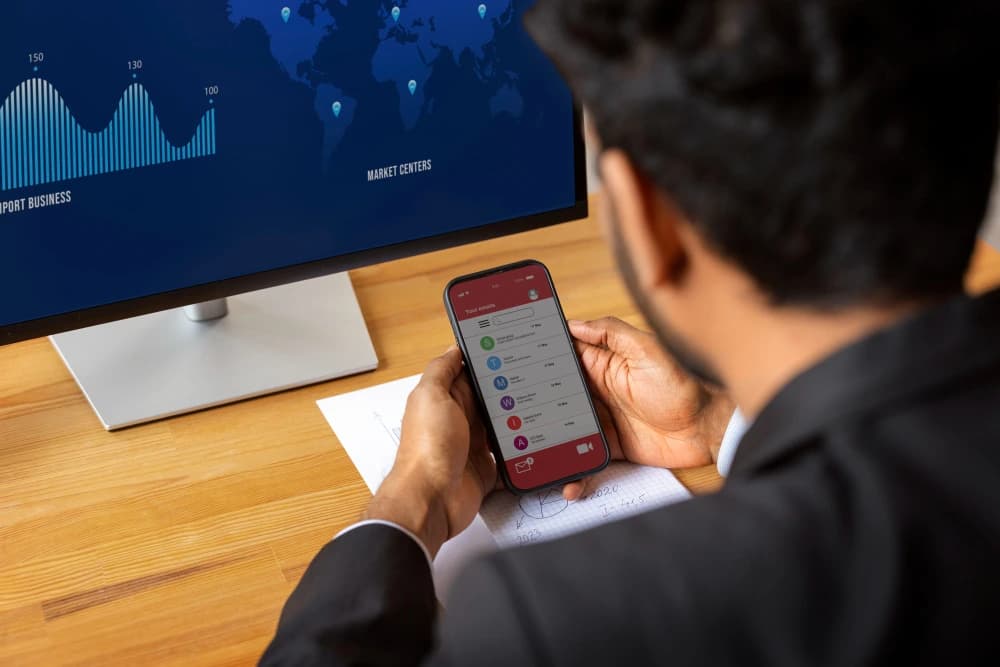
Table of Contents
A fake trading app looks and feels like a real broker’s platform. It shows live-looking charts and a portfolio that keeps growing, and its support team replies within minutes. But no real trade ever happens. The app exists only to collect your deposits. When you try to withdraw, the profits turn out to be numbers on a screen, and the money is gone.
The fake trading app scam in India has grown because it combines three things people already trust: smartphones, familiar brand designs and friendly conversations on messaging apps. The good news is that these apps leave clear warning signs. Once you know them, a fraudulent investment app becomes much easier to spot.
How a Fake Trading App Scam Typically Begins
Very few victims go looking for a fake app. The app usually comes to them. The first contact is often a message from a stranger, an invitation to a stock tips group, a social media ad promising high returns, or a new online “friend” who seems to be doing very well in the market.
After some conversation, the victim is asked to install a specific app or open a specific website to “trade like professionals.” From that moment, every number the victim sees is controlled by the scammer.
Why Fake Trading Apps Are Hard to Spot
Building a convincing fake app is no longer difficult. Scammers copy the interface of popular trading platforms and use real market prices so the charts look live. They add features such as watchlists, order books and price alerts. Some even show news feeds and research reports taken from public sources.
The social side of the scam is just as polished. Victims often see other “members” in a group posting profits from the same app, which makes it feel tested and safe. Many of these members are fake accounts run by the same people behind the app. This mix of a professional-looking product and apparent social proof is why even experienced investors sometimes get caught. It is also why checking facts matters more than trusting how an app looks.
12 Red Flags That Expose a Fraudulent Investment App
Red Flag 1: The App Came Through a Private Link
Genuine broker apps are available through official app stores and the broker’s own website. If someone sends you an APK file or a private link and asks you to install it directly, that is the single biggest warning sign. Apps installed this way skip the checks that official app stores run.
Red Flag 2: No “Verified” Label on Google Play
Since March 2026, SEBI and Google have displayed a “Verified” label on Google Play for stock trading apps run by SEBI-registered brokers. More than 600 broker apps carried the label at launch. SEBI has said it plans to extend the label to other registered intermediaries. A trading app without this label deserves extra checks before you use it.
Red Flag 3: The Broker Name Does Not Match a SEBI Record
Every genuine stock broker in India is registered with SEBI and is a member of a stock exchange. If the company behind the app does not appear in SEBI’s list of registered intermediaries, stop there. Do the same if its legal name differs from the one shown in the app.
Red Flag 4: Guaranteed or Unusually High Returns
Promises like “3% daily,” “double your money in a month” or “zero-loss strategy” are impossible in real markets. No regulated broker can guarantee returns, and none is allowed to promise them.
Red Flag 5: You Pay Into a Personal Account
Fake apps often ask you to deposit money into an individual’s bank account, a personal UPI ID or a QR code shared on chat. Genuine brokers collect funds only into accounts in their own registered name. Many now use verified UPI IDs ending in the @valid handle with a .brk tag. Since October 2025, you can also check a broker’s bank account or UPI ID with SEBI Check, which is available on the SEBI portal and in the Saarthi app.
Red Flag 6: “Special Access” Offers
Fake apps often promise institutional accounts, discounted IPO allotments, block deals or pre-listing shares that ordinary investors supposedly cannot get. Regular investors apply for IPOs through their own bank-linked ASBA or UPI process, not through a private app.
Red Flag 7: Profits Grow Smoothly Every Single Day
Real portfolios rise and fall. A dashboard that shows steady, uninterrupted growth is usually a display built to keep you depositing more.
Red Flag 8: Withdrawals Need New Fees
This is where most victims finally realise the truth. The app suddenly asks for a “tax,” “processing fee,” “risk deposit” or “account upgrade” before it will release your money. Each payment leads to another demand. A genuine broker never holds your own funds back until you pay more.
Red Flag 9: A Mentor Who Pushes You to Invest More
A friendly “analyst” or “teacher” who keeps urging you to add funds, borrow money or ignore your family’s doubts is following a script. The pressure is the scam.
Red Flag 10: Offers of Forex or Leveraged Crypto Trading
Some fake apps offer high-leverage currency or crypto derivative trading. Under Indian rules, residents can deal in forex only through permitted channels and platforms authorised by the RBI. The RBI maintains an Alert List of unauthorised forex trading platforms. It has clarified that the list is not exhaustive, so an app missing from it is not automatically authorised.
Red Flag 11: No Contract Notes or Exchange Messages
When you trade through a registered broker, you receive contract notes, and the exchanges and depositories send their own alerts. If you never receive any messages from an exchange or depository, the trades are probably not real.
Red Flag 12: Support Exists Only on Chat
Genuine brokers have a registered office, grievance officers and published escalation routes. If the only “customer care” is a messaging app account, you have no real recourse.
How Pig Butchering Pulls Investors Into Fake Apps
“Pig butchering” is a long-con scam in which fraudsters “fatten” a victim with trust before taking everything. It often begins with what looks like a wrong-number message, a dating match or a friendly professional contact. Over weeks, the scammer builds a relationship. Only then do they mention the “investment app” that is supposedly making them rich.
The victim starts small, sees fake profits and is encouraged to invest more, sometimes after being allowed to withdraw a small amount. Once larger sums are in, withdrawals are blocked and the contact disappears.
What makes this scam especially damaging is the emotional bond. Victims often keep paying “release fees” because they still trust the person, not the app. In the stock market context, the investment app is almost always a fake trading platform, which is why the red flags above matter so much.
How to Check If a Trading App Is Genuine
Start with the company, not the app. Search for the broker’s legal name in SEBI’s list of registered intermediaries. Then confirm on the NSE or BSE member lookup that it is an active member. Our guide to the current rules for SEBI-registered brokers explains what that registration requires.
Next, download the app only from the official app store or from a link on the broker’s verified website. On Google Play, look for the “Verified” label, and check that the developer name matches the broker’s registered name. Read recent reviews too. A sudden wave of complaints about blocked withdrawals is a serious warning, even if the app looks polished.
Finally, verify the payment details before every deposit. Use the broker’s @valid UPI ID or a bank account in its own name. If anything looks unfamiliar, confirm it through SEBI Check. If you are ever unsure, call the broker on the number listed on its official website, never on a number shared in a chat.
Why Clone Apps Are Also a Problem for Genuine Brokers
Many fake trading apps copy the logo, colours and name of a real broker. Investors who lose money to a clone often blame the brand they thought they were using, which damages trust even when the broker had no role in the fraud.
For brokers, finding and removing these clones quickly is now part of protecting both clients and reputation. This means monitoring app stores, websites, ads and social media. You can see how this works in our article on taking down brand impersonation.
What to Do If You Have Already Installed a Fake App
Stop all payments at once, including any “fee” demanded to release your money. Do not share OTPs or give screen-sharing access to anyone connected to the app.
Before you uninstall the app, take screenshots of it, your chats, your transaction records and the payment details. Then uninstall the app and change the passwords of your email and banking accounts. If you gave the app permission to read messages or access other apps, review your phone’s app permissions and remove anything unfamiliar.
Report the fraud immediately through the national cybercrime helpline 1930 or at cybercrime.gov.in. Inform your bank as well, so it can try to hold the funds. If the app copied a real broker’s name, tell that broker too, so it can warn other clients.
Frequently Asked Questions
How can I tell if a trading app is fake?
Check four things. Is the company SEBI-registered? Did the app come from an official store? Does it carry the Verified label on Google Play? Do payments go to an account in the broker’s own name? A failure on any one of these is a reason to stop.
Is an app safe just because it is on an app store?
Not always. App store checks reduce risk but cannot catch every clone. Always confirm the developer name and the broker’s SEBI registration as well.
What is a pig butchering stock market scam?
It is a scam where a fraudster builds trust over time, often through a friendly or romantic connection, and then pushes the victim into a fake investment app until large sums are lost.
Why does a fake app let me withdraw small amounts at first?
Small successful withdrawals are a deliberate trust-building tactic. They convince you the platform is real, so you deposit larger amounts. The blocks begin once the scammer believes you have invested as much as you are likely to.
Can I recover money lost to a fake trading app?
Recovery is never guaranteed. Reporting quickly to 1930 and your bank improves the chance of freezing funds before they are moved.
Conclusion
Fake trading apps work because they look professional and arrive through people who seem trustworthy. Yet every one of them fails the same basic checks: SEBI registration, an official download source, verified payment details and real withdrawals. Run these checks before you invest, and stop at the first red flag. A few minutes of verification costs far less than a frozen withdrawal and a lesson learned the hard way.
Share this Article


OUR RECENT POSTS
Front-Running Scams in India: What Investors and Brokers Must Know
Front-running means trading ahead of a large pending order, using non-public knowledge of that order, and then profiting when the order moves the price. In India, it is prohibited as a fraudulent and unfair trade practice under the SEBI (Prohibition of Fraudulent and Unfair Trade Practices relating to Securities Market) Regulations, 2003, commonly called the
AI Admin
|21/10/2026
|1 min read

Telegram & WhatsApp Stock Market Scams: How Brokers Can Protect Investors
A WhatsApp and Telegram stock market scam almost always follows the same arc. A free group offers “VIP” stock tips and shows fake profits to build trust. It then moves the victim to a fake trading app or a personal payment account, and it ends with a withdrawal that never arrives. Investors protect themselves by
AI Admin
|17/10/2026
|1 min read

How to Check If Your Stock Broker Is SEBI Registered
To check SEBI registered broker status, search the firm’s legal name or registration number in the registered intermediaries list on sebi.gov.in. Then confirm that it is an active member on the NSE or BSE broker lookup. Both checks are free and take about five minutes. Before you send any money, also confirm the broker’s bank
AI Admin
|16/10/2026
|1 min read

Whistleblower Policy for Stock Brokers: A SEBI Compliance Guide
A confidential tip from an employee is often the earliest, and cheapest, warning a broking firm ever receives that something is going wrong. A misused client account, an unauthorised trade, a quiet governance gap rarely announce themselves in a monthly report. They surface only when someone on the inside feels safe enough to speak up.
AI Admin
|10/10/2026
|1 min read
How SEBI’s New Fraud Detection Mandate Changes Broker Compliance
Somewhere between January and April 2026, a requirement that had been rolling out in stages since mid-2024 quietly crossed its finish line. The smallest stock brokers in India — firms with up to 2,000 active client codes became legally bound on 1 April 2026 to run a working fraud-detection system of their own. What began
AI Admin
|17/09/2026
|1 min read


GET STARTED TODAY...
Speak to a strategist today and see why brands rate AiPlex among the best online reputation management company options for India and global markets.
GET STARTED TODAY...
Speak to a strategist today and see why brands rate AiPlex among the best online reputation management company options for India and global markets.