Telegram & WhatsApp Stock Market Scams: How Brokers Can Protect Investors

Table of Contents
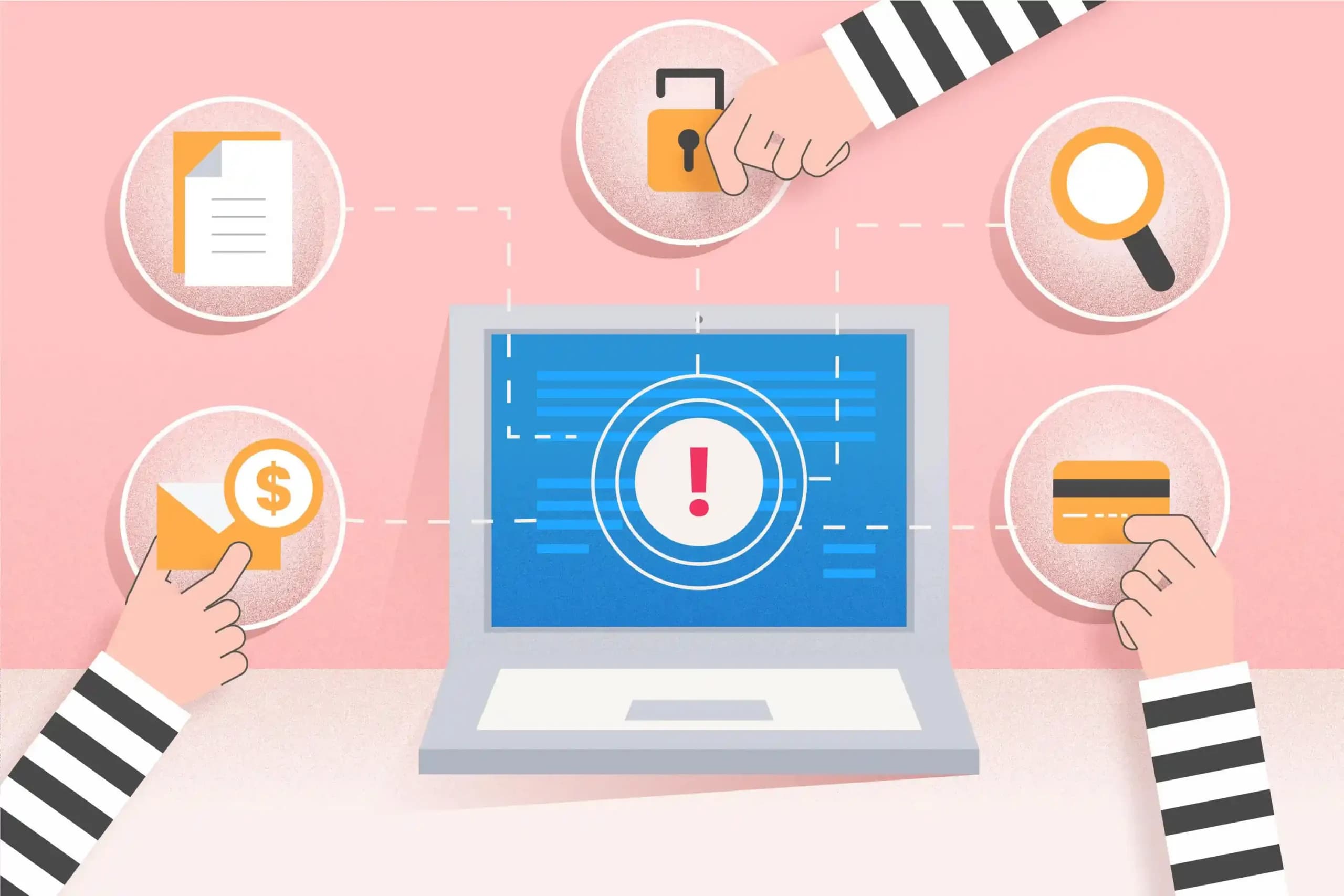
A WhatsApp and Telegram stock market scam almost always follows the same arc. A free group offers “VIP” stock tips and shows fake profits to build trust. It then moves the victim to a fake trading app or a personal payment account, and it ends with a withdrawal that never arrives.
Investors protect themselves by never acting on unsolicited tips from a SEBI unregistered advisor and by verifying every app and payment account before sending money. Brokers protect investors by monitoring for groups that misuse their name, removing impersonations quickly, publishing their official channels clearly, and educating clients before a fake trading tips scam reaches them.
This guide explains how these scams work, the formats that are most common today, and what brokers and investors can do about them.
How a Messaging App Stock Scam Usually Unfolds
The details change, but the stages stay remarkably consistent. Knowing them helps both investors and brokers spot a scam early.
Stage One: The Hook
The victim is added to a group without asking, or clicks an ad promising “daily sure-shot calls” or “learn trading from experts.” The group looks active, with hundreds or thousands of members and constant chatter.
Stage Two: Building Trust With Fake Proof
Group admins post screenshots of large profits and “thank you” messages from members. Many of these members are bots or accounts the scammers control. A few early tips may even work, because they are chosen after the move has already happened or picked from widely discussed stocks.
Stage Three: The VIP Upgrade
Once the victim is engaged, an “analyst” or “assistant” reaches out personally. They offer a paid premium group, a mentorship plan or a special “institutional account” with higher returns. This is the point where a free group turns into VIP stock tips fraud.
Stage Four: The Switch to a Fake Platform
The victim is asked to download an app through a link or APK file, or to trade through a website the scammers control. Deposits go to personal UPI IDs or individual bank accounts. The app shows growing profits that exist only on the scammer’s screen.
Stage Five: The Exit
When the victim tries to withdraw, new “fees,” “taxes” or “verification charges” appear. Each payment unlocks another demand, until the group, the app and the contact all disappear.
Five Common Scam Formats Investors Face Today
Fake Trading Tips Scam: Paid VIP Groups
These groups sell paid stock or options calls without SEBI registration as an investment adviser or research analyst. Even when no fake app is involved, investors take on heavy losses based on advice from people with no accountability. A fake trading tips scam of this kind often looks harmless at first, because the early calls seem to work.
Broker Impersonation Groups
Scammers copy a genuine broker’s logo, name and website design to create groups that look official, sometimes with fake “employee” profiles. Investors trust them because the brand is familiar. This format harms investors and also directly damages the reputation of the broker being impersonated.
Fake Trading Apps and “Institutional Accounts”
Victims are told they can access special allotments, block deals or institutional trading through a dedicated app. In reality, no real trades take place. The app is simply a front for collecting deposits.
Pump-and-Dump Channels
Channel operators quietly buy a thinly traded stock and then recommend it to thousands of subscribers. As subscribers buy, the price rises and the operators sell into that demand. The subscribers are left holding shares that fall soon after.
Fake IPO and Pre-Listing Allotments
Victims are promised guaranteed IPO allotments or “pre-IPO” shares at a discount. Genuine IPO applications go through official channels such as ASBA or UPI mandates linked to the investor’s own bank account, never through payments to a stranger.
Why a SEBI Unregistered Advisor Is a Regulatory Problem, Not Just a Bad Bet
In India, giving investment advice or research recommendations for a fee requires SEBI registration in the right category. Someone running a paid tips group without that registration is operating outside the law, and investors who follow them have little formal protection.
SEBI has also tightened the rules for regulated firms themselves. Regulations in force from 29 August 2024 bar SEBI-regulated entities and their agents from associating with people who give securities advice or make return or performance claims without registration or permission. In October 2024, SEBI asked regulated entities to end any such existing arrangements within three months. Association remains allowed only with people engaged purely in investor education who do not give recommendations or claim returns.
For brokers, this means a SEBI unregistered advisor using their name is both a compliance risk and a reputation risk. A broker’s brand appearing in such groups, even without permission, needs attention.
How to Check a Tips Provider Before You Follow Anything
Before acting on any recommendation, ask one question: is this person registered with SEBI for the service they are offering? Investment advisers and research analysts each have their own registration category. You can search for their name or registration number in the list of registered intermediaries on sebi.gov.in.
Treat a missing registration number as a clear answer. Be careful with people who say they are “only sharing opinions” while charging for access, collecting payments into personal accounts or promising returns. In practice, a paid group that recommends specific stocks and trades is giving advice, whatever label it uses. Before paying anyone, confirm the payment details through SEBI Check, which is available on the SEBI portal and in the Saarthi app.
Warning Signs Investors Should Not Ignore
Be cautious if you were added to an investment group without asking, or if someone you have never met offers to guide your trades. Treat any promise of fixed daily, weekly or monthly returns as a clear warning, because no genuine market participant can guarantee profits.
Be equally wary if you are asked to install an app from a link instead of an official app store, or to pay into a personal UPI ID or an individual’s bank account. Registered brokers use verified payment channels. Since October 2025, these include UPI IDs ending in the @valid handle with a .brk tag for brokers.
Also be careful with screenshots of profits. They are easy to edit, and they prove nothing about real trading. A genuine contract note or an exchange record is the only reliable proof of a trade.
Finally, if withdrawing your own money suddenly requires extra “fees” or “taxes,” stop immediately. That is the clearest sign you are dealing with a scam, not a broker.
How Brokers Can Protect Investors
Brokers are in a strong position to break the scam cycle. Their names are being misused and their clients are being targeted, and they also have direct communication channels with millions of investors.
Monitor Messaging Platforms and Social Media for Brand Misuse
Impersonation groups, fake profiles and cloned pages rarely announce themselves. Brokers need ongoing monitoring across messaging platforms, social media, app stores and search results to catch misuse of their name, logo and staff identities early. Our guide to tools for tracking brand mentions explains how this kind of monitoring works in practice.
Act Fast on Impersonation Takedowns
Every day a fake group stays live, more investors may lose money in the broker’s name. A clear internal process shortens that window. It should cover collecting evidence, reporting to the platform, notifying the exchange where relevant and escalating legally when needed. You can read more in our article on removing brand impersonation.
Publish One Source of Truth for Official Channels
Investors should be able to check, in one place, which apps, websites, social handles and support numbers genuinely belong to the broker. A dedicated “official channels” page, linked from the app and every client email, makes impersonators easier to spot.
Make Payment Verification Part of Every Communication
Remind clients regularly that the broker collects funds only into accounts in its own name and through its verified @valid UPI handles. Encourage them to confirm payment details using SEBI Check on the SEBI portal or the Saarthi app before transferring money.
Educate Clients at the Moments That Matter
Generic warnings are easy to ignore. Short, timely messages work better. Send them at account opening, during IPO seasons, during volatile markets and whenever a new scam pattern is reported. Clients learn faster when the warning arrives at the moment it applies.
Keep Agents and Partners Clean
Under SEBI’s 2024 rules, brokers are responsible for ensuring that they and their agents do not associate with unregistered people offering advice or return claims. Reviewing marketing partners, referral arrangements and influencer tie-ups closes a gap that scammers often exploit.
Make Reporting Easy
A simple in-app option or a dedicated email address for reporting suspicious groups turns clients into an early warning network. Every report gives the broker evidence for faster takedowns.
What to Do If You Have Already Been Targeted
Stop all further payments immediately, including any “fee” demanded to release your money. Save evidence before it disappears: screenshots of chats, group names, phone numbers, app details, UPI IDs and payment receipts.
Do not delete the group or block the contacts until you have saved the evidence. Note the date and time of each payment, the names shown on the payment screens, and the usernames of the admins. This record helps your bank, the cybercrime authorities and, where relevant, the broker whose name was misused. Warn family members or friends who were added to the same group too, because scammers often target several people from one circle.
Report the fraud right away through the national cybercrime helpline 1930 or the portal at cybercrime.gov.in, and inform your bank so it can try to hold the funds. If the scammers used a genuine broker’s name, tell that broker too, so it can warn other clients and act against the impersonation. If a SEBI-registered entity was actually involved, you can also file a complaint through the SEBI SCORES portal.
Frequently Asked Questions
Are all stock market groups on WhatsApp and Telegram scams?
No, but groups selling tips without SEBI registration operate outside the rules.
How can I tell if a group really belongs to my broker?
Check only the official channels listed on your broker’s website or app.
Can a SEBI-registered broker work with tip-sharing influencers?
Not with unregistered advice-givers or return claims; investor education alone is allowed.
Is a SEBI unregistered advisor allowed to charge for stock tips?
No, paid advice or research needs the right SEBI registration category first.
What is VIP stock tips fraud?
Paid VIP groups promise high returns, but nothing genuine stands behind them.
Will I get my money back if I report quickly?
Recovery is not guaranteed, but quick reporting improves chances of freezing funds.
Conclusion
WhatsApp and Telegram stock market scams succeed because they borrow trust from familiar brands, from fake proof of profits and from the comfort of a busy group. Investors break the pattern by verifying advisers, apps and payment accounts every time. Brokers break it by watching how their name is used, acting quickly on misuse, and keeping clients informed before scammers reach them first.
Disclaimer: This article is strictly for educational and awareness purposes and does not constitute financial or legal advice.
Share this Article


OUR RECENT POSTS

How to Check If Your Stock Broker Is SEBI Registered
To check SEBI registered broker status, search the firm’s legal name or registration number in the registered intermediaries list on sebi.gov.in. Then confirm that it is an active member on the NSE or BSE broker lookup. Both checks are free and take about five minutes. Before you send any money, also confirm the broker’s bank
AI Admin
|16/10/2026
|1 min read

Whistleblower Policy for Stock Brokers: A SEBI Compliance Guide
A confidential tip from an employee is often the earliest, and cheapest, warning a broking firm ever receives that something is going wrong. A misused client account, an unauthorised trade, a quiet governance gap rarely announce themselves in a monthly report. They surface only when someone on the inside feels safe enough to speak up.
AI Admin
|10/10/2026
|1 min read
How SEBI’s New Fraud Detection Mandate Changes Broker Compliance
Somewhere between January and April 2026, a requirement that had been rolling out in stages since mid-2024 quietly crossed its finish line. The smallest stock brokers in India — firms with up to 2,000 active client codes became legally bound on 1 April 2026 to run a working fraud-detection system of their own. What began
AI Admin
|17/09/2026
|1 min read

SEBI Stock Brokers Regulations 2026 Explained
For more than thirty years, the way stock brokers were registered, governed, and held accountable in India rested on a single rulebook drafted in a very different market. That era has now ended. On 7 January 2026, the Securities and Exchange Board of India notified a completely new framework, and if you run, work at,
AI Admin
|10/09/2026
|1 min read

Legal Guide to Court-Ordered Removal of Defamatory Content
Securing a court order to remove defamatory content online is often the only step that forces a platform to act. Grievance forms get ignored. Anonymous accounts keep posting. A judicial order changes that, because it converts a request into a binding obligation. This guide explains how the process works in India, what evidence you need,
AI Admin
|24/08/2026
|1 min read


GET STARTED TODAY...
Speak to a strategist today and see why brands rate AiPlex among the best online reputation management company options for India and global markets.
GET STARTED TODAY...
Speak to a strategist today and see why brands rate AiPlex among the best online reputation management company options for India and global markets.